


2 Ways Indian Kids Can Help Donate Food.
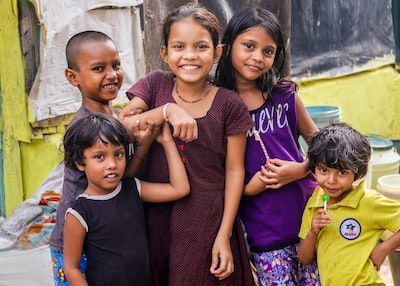
Are you curious about different ways to help donate food, especially as a child in India? With the ongoing challenges of food insecurity and poverty, it’s vital for young people to get involved in giving back to their communities. In this article, we’ll explore two innovative and impactful ways Indian kids can make a difference through food donations.
From organizing a school food drive to volunteering at a local food bank, there are endless opportunities for children to play a significant role in addressing hunger in their own neighborhoods. Join us in learning more about the power of youth involvement in fighting food insecurity in India.
Table of Contents
How Indian Kids Can Collect Food
Indian children can help fight hunger in their communities by working with charities, collecting donations, or volunteering at soup kitchens. These actions not only provide crucial assistance to those in need but also teach empathy and responsibility.
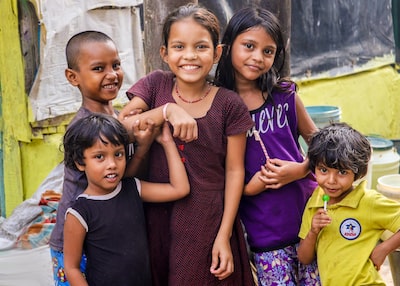
By donating food, Indian kids can make a lasting impact on others.
Organize school food drive.
Indian kids can help fight hunger in their communities by participating in food drives and volunteering. These actions not only provide immediate relief, but also teach empathy and social responsibility. By collecting and distributing food donations, Indian children can make a real difference in the lives of those in need.
Getting involved in charity drives allows Indian children to advocate for those less fortunate, inspiring positive change through kindness and generosity. By organizing fundraisers and seeking donations from local businesses, they can establish sustainable support networks for ongoing hunger relief. These initiatives not only enhance the impact of their actions, but also promote a sense of unity among young volunteers.
Through their dedication and compassion, Indian children showcase the importance of community service and contribute to a brighter future for those experiencing food insecurity.
Partner with local charities.
Collaborating with established charities helps children maximize the impact of their donations and learn how to contribute to their community. Partnering with local organizations also fosters social responsibility and empathy. By forming partnerships with local charities, Indian kids can broaden their understanding of hunger and poverty. Working closely with these organizations gives children insight into systemic issues that cause food insecurity and the importance of long-term solutions.
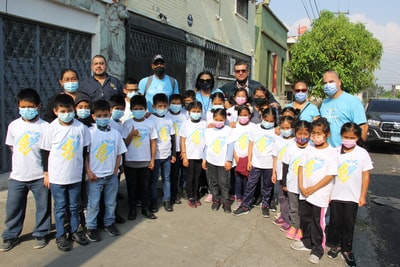
Through these partnerships, kids can provide immediate aid and engage in advocacy efforts to address the challenges faced by vulnerable populations.
Request donations from family and friends.
Encouraging children to join donation drives helps them understand generosity and compassion early on. Through education about food insecurity, children can contribute to helping their peers and fostering a sense of community. These donations not only help alleviate hunger but also promote unity among children, showing the impact of working together on social issues. Supporting food donation efforts allows kids to make a real difference in their peers’ lives, creating a positive ripple effect that goes beyond immediate nourishment to build a caring and supportive community.
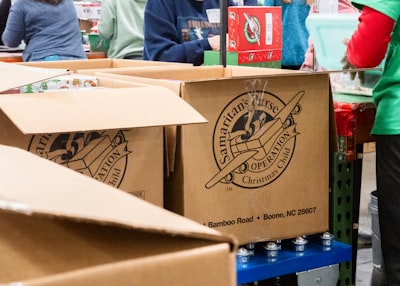
Ways Indian Kids Can Distribute Food
By organizing distribution events at local community centers and homeless shelters, young volunteers help alleviate food insecurity among the less fortunate. Through their dedication and commitment to serving those in need, Indian children not only provide nourishment but also instill empathy and social responsibility in their peers and the broader society. These initiatives empower Indian children to take tangible action in addressing critical social issues such as hunger. By participating in food distribution programs, these young volunteers learn firsthand about the impact of their efforts and see the positive change they can make within their communities. Through their involvement in distributing food to those facing food insecurity, Indian children not only provide immediate assistance but also plant seeds of compassion and solidarity, fostering a culture of giving and support for those in need.
Identify community centers in need.
John and Sarah had been close friends since they were kids. They shared secrets, dreams, and fears. But as they grew up, they started to drift apart. John went to college in another state, while Sarah stayed in their hometown to work for the family business. Despite the distance, they kept in touch through phone calls and occasional visits. However, something had shifted in their relationship. They no longer felt as connected as before. Their lives seemed to be headed in different directions.
One day, John surprised Sarah by visiting home for the weekend. Upon arrival, he noticed a change in Sarah. She appeared happy, but there was a hint of sadness in her eyes. They spent the weekend catching up and reminiscing, but there was an undeniable distance between them. As John prepared to leave that Sunday night, he realized their friendship had evolved. They were no longer the inseparable pair they once were. Driving back to college, he couldn’t shake the feeling that things would never be the same between them.
Volunteer at soup kitchens.
Volunteering at soup kitchens provides hands-on experience in aiding those who are in need. It enables individuals to serve meals and establish connections with community members who are facing hardship. Through volunteering, Indian kids have the opportunity to cultivate qualities such as compassion, gratitude, and social responsibility. They are able to play a direct role in fighting hunger and poverty, which can bring a sense of fulfillment and purpose. In conclusion, volunteering at soup kitchens is a valuable experience that allows Indian kids to make a positive impact on their community. They can learn important values and skills while actively contributing to reducing hunger and poverty. By serving meals and connecting with those in need, they can gain a greater understanding of the challenges faced by others and develop a sense of empathy and responsibility. Overall, volunteering at soup kitchens can be a rewarding and enriching experience for Indian kids.
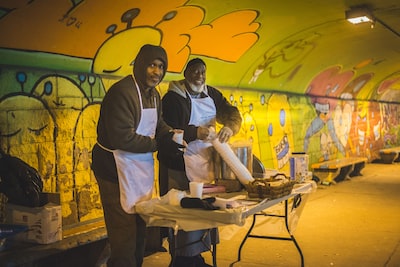
Deliver food to homeless shelters.
Supporting the community involves engaging in activities such as volunteering, fundraising, and participating in local events. Empowering others can be achieved through mentorship, education, and providing resources to those in need. Fostering compassion among youth is essential for creating a more empathetic and understanding society.
Making valuable contributions to the community can include donating time, money, or resources to charitable organizations. Brightening someone’s day can be as simple as offering a kind word, lending a helping hand, or showing appreciation for others. Spreading positivity is contagious and can have a ripple effect, inspiring others to pay it forward in their own way.
Empowering Underprivileged Children: Join the Indian Kids Food Donation Drive by The Lata Agrawal Foundation
The Lata Agrawal Foundation is leading the charge with their Indian Kids Food Donation Drive, ensuring that underprivileged children have access to nutritious meals. Join us in our mission to make a difference in the lives of those who need it most.
With your help, we can provide sustenance and hope to those in need. Together, we can create a brighter future for these children and empower them to reach their full potential.
Join us in this important cause and make a difference today.
Closing Remarks
The Indian Kids Food Donation Drive has been making waves in communities across the country, showcasing the incredible generosity and empathy of our youth. From organizing bake sales to hosting virtual events, these kids are proving that age is just a number when it comes to making a difference.
The impact of their efforts cannot be understated, as they are not only providing much-needed nourishment to those in need but also inspiring others to take action. It is truly heartwarming to see the next generation leading the charge in creating a more compassionate and supportive society.
Let us continue to support and uplift these young philanthropists as they work towards a brighter future for all.